

A True Teacher
Inspire, Encourage, Allow, and Realize

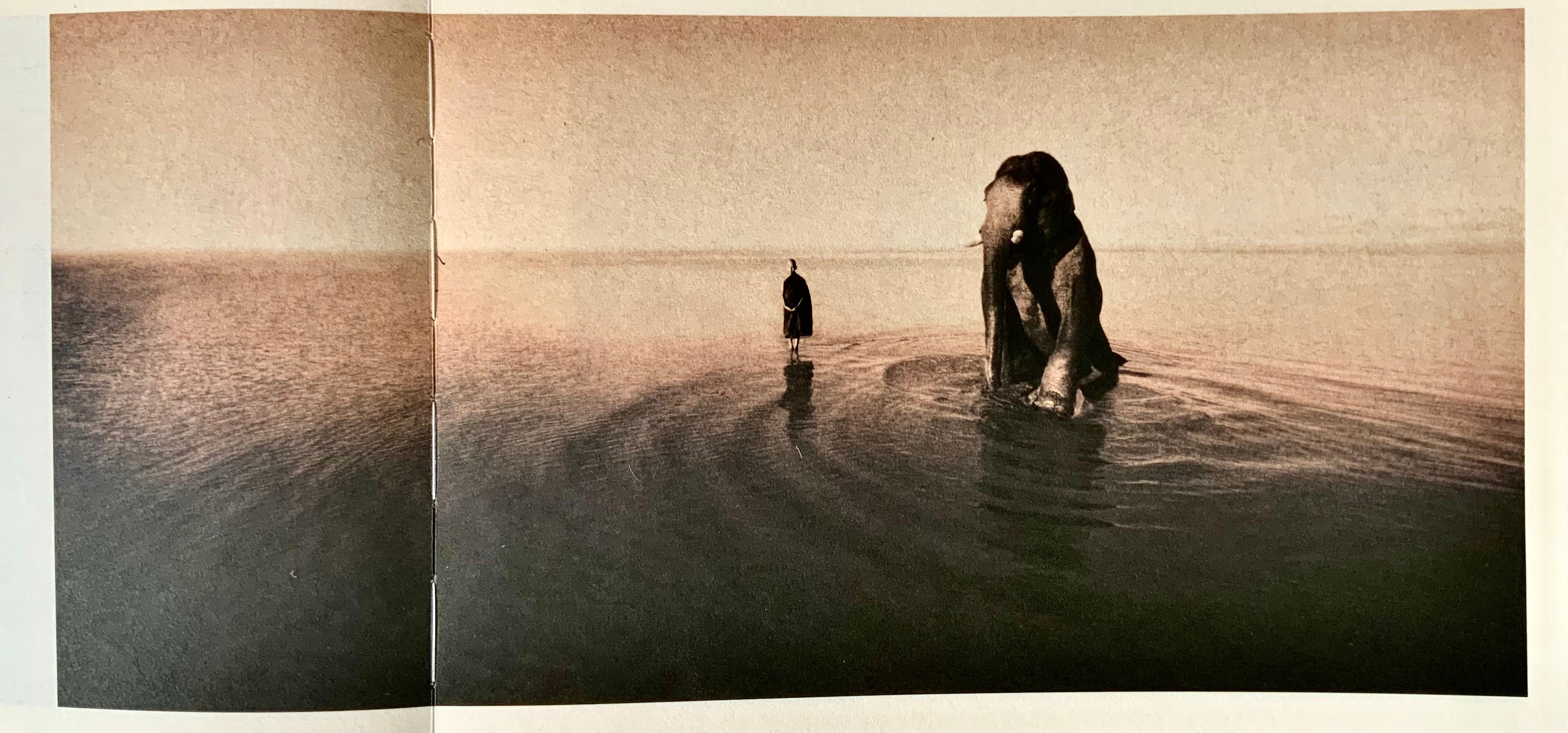
You have true vision
participate in any way you like
but do not corrupt your sight.
- Journal entry
Good day! Today I want to take a moment to write about the four core beliefs I have about ‘teaching’ and my philosophy I have concerning what that means. My style and philosophy does follow more a zen approach. I hope you enjoy the ideas brought forth here.
I also start this piece with a morning desire for you.
If you would like, I think this song is a wonderful introduction to this piece. “Draw Something Beautiful - Ganavya.”
With love and gratitude,
Awe World Experiencer
If you would like, you may purchase me a coffee here.
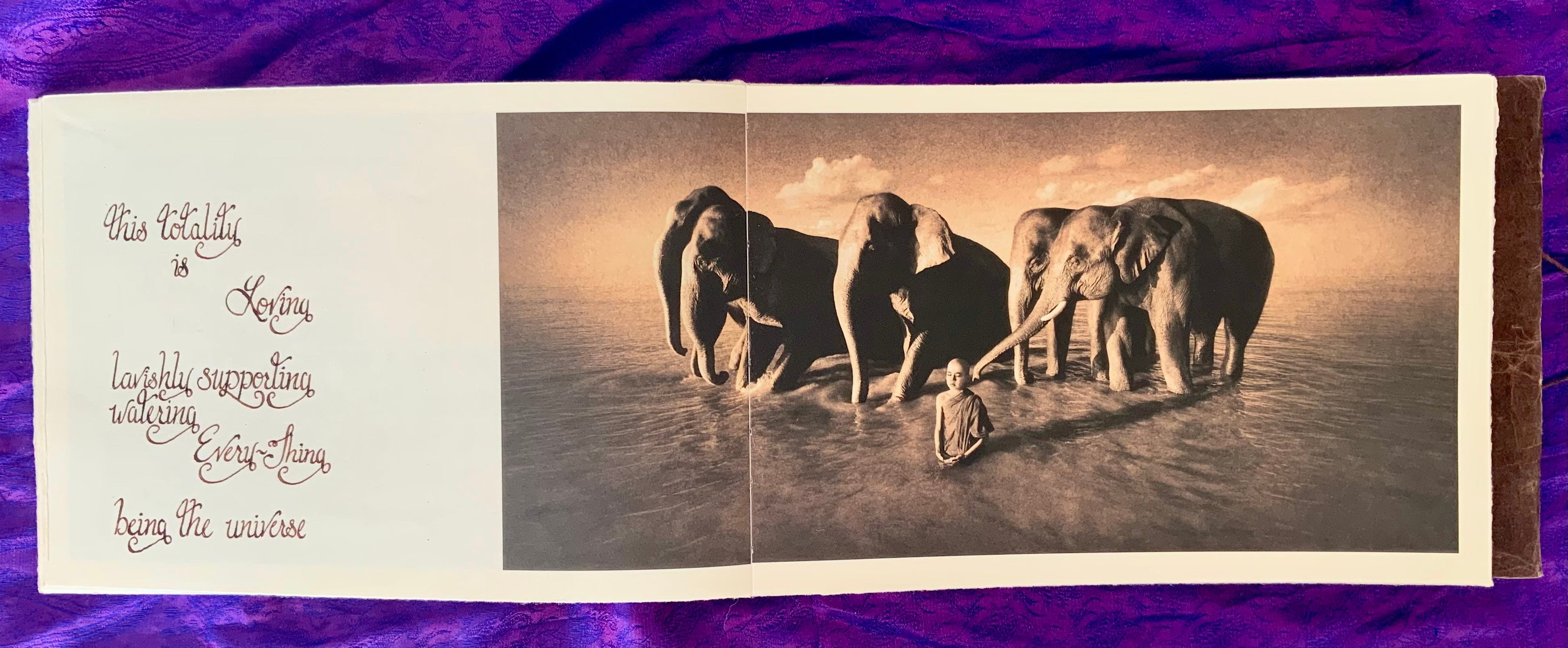
In the landscape of spring,
there is nothing superior and nothing inferior.
The flowering branches are naturally
some short and some long
- Zen Capping Phrase
Good Morning
I hope you slept well and had beautiful childlike dreams. I hope you adventured far, pursued passions, and unfurled fully into the sky. I Hope you feel loved as you wake, comfortable and snuggly. I hope your eyes glisten in the sunlight today. I hope your skin feels soft and perfect in the cool breeze. I hope your body delights in the earth underneath, and your hair is tousled gently by the playful wind. I hope flowers of all colors call to you, that fluffy white clouds smile upon you, that tree leaves and birds sing to you melodies and rhythms divine. I hope you smile and laugh freely, unencumbered by weights or perceived obligations. I hope your toes sing into the earth all the songs of your heart to plant verses of your dreams.
Introduction
There was a time in life where I was a professional teacher. For seven years I taught music classes, doing my best to relay my skills to others in hopes that they would gain the information or knowledge that they needed to pursue their goals. During that time, I came to understand four key actions that define a true teacher.
These four milestones, in order, are: Inspire, Encourage, Allow, and Realize.
These elements do not all need to be used with every single student to fulfill the role of a true teacher, but I find that all four naturally surface over time. Sometimes a true teacher will only use one, or perhaps two. There are moments where all are vital. In the end, teaching is simply giving the student exactly what they require in that specific moment.
Whenever I consider this dynamic, I always fall back to a particular analogy: a painter working on a pier. As he stands there painting, many people may come and look at his work. Unless the painter is spoken to directly, he simply continues working, lost in his colors, canvas and enjoyment. This idea can carry us through the entire evolution of ‘teaching’.
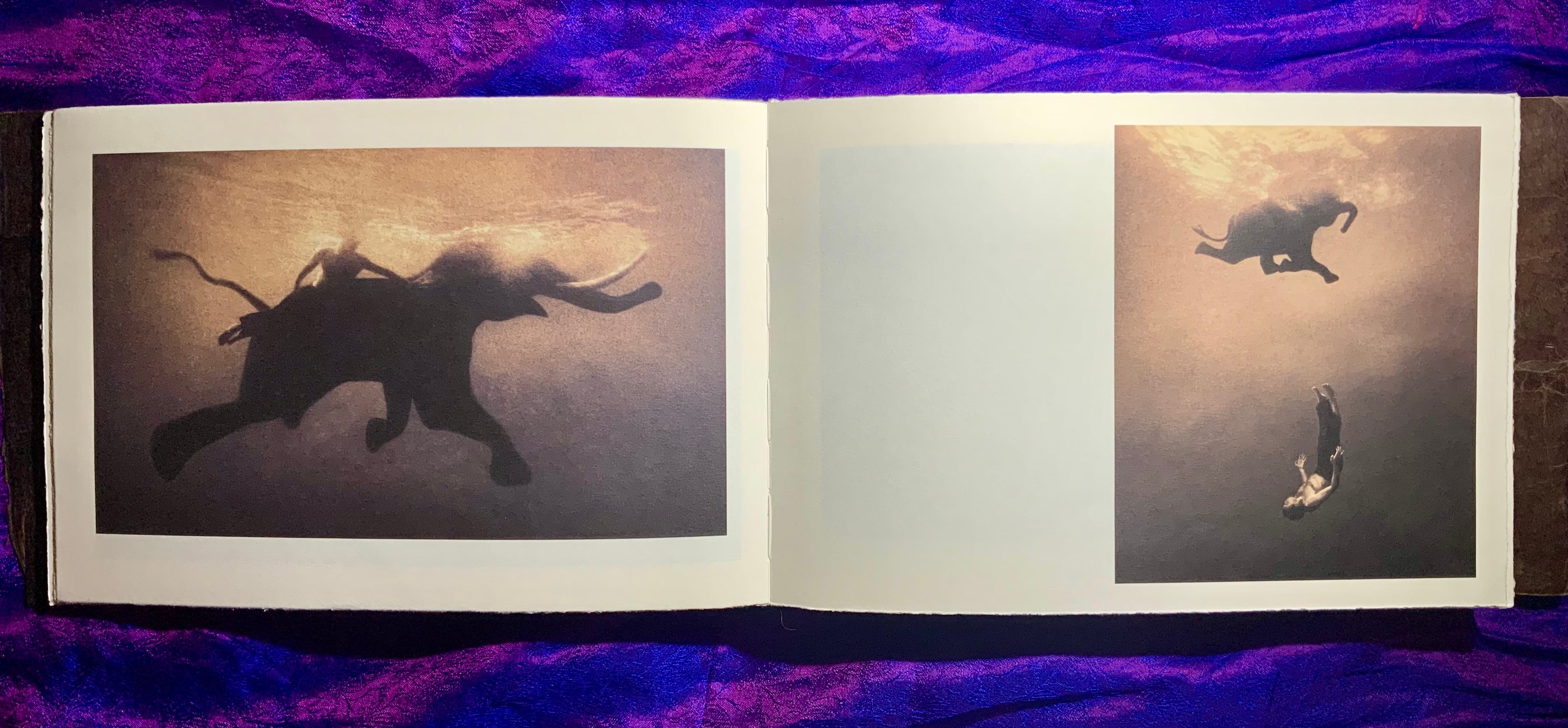
In the cup of death, I was
a breath of life, I remained
It would be a pity if I could not find this breath
again, I would be filled with sadness and absent peace.
- Abdur Rahman Jami
Inspire
By simply pursuing one’s passion in the public eye, there is an immediate opportunity to inspire someone else. Imagine a passerby coming close to our painter on the pier, completely enthralled by the process, suddenly filled with a rush of creative energy. When that inspiration hits, a universal energy begins coursing through the observer.
If that person leaves the pier immediately, purchases their own paints, and begins the artistic process entirely on their own, then the painter has already acted as a true teacher. No further interaction is required, and the student is beautifully on their way. The lesson was indirect, allowing confidence to pair itself seamlessly with expression from the very start.
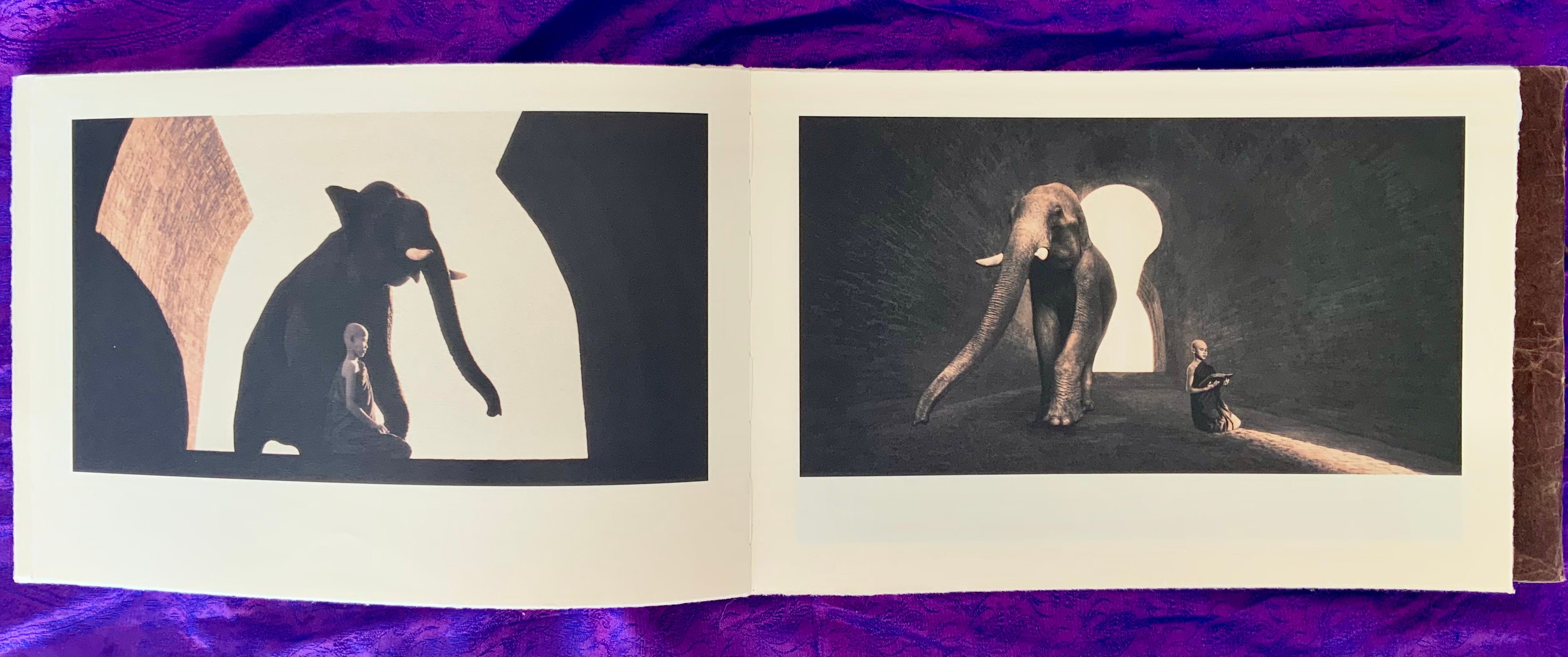
put down the book you were studying
and touch eyes with me
- Journal Entry
Encourage
However, inspiration does not always lead straight to action. Sometimes, the person standing on the pier is filled with creative energy but lacks the courage to begin. They hit an internal ‘block’ and are not ready to paint alone. At this point, they might step forward and ask the practitioner for direct advice: “How do you mix your colors? How do I paint trees like that? How do I even get started?”
This is where the second milestone comes in: encouragement.
Encouragement is a beautiful action. It is the intentional act of pouring courage into someone so they can follow their own dreams and vital energy. This is fundamentally different from manipulation, where someone attempts to force another to follow the guide’s own dreams. It is also the opposite of discouragement, which actively attempts to remove courage from a person.
At this stage, the mentor becomes a direct force in the development of the student, demanding great compassion and care. It can be as simple as saying, “Here, why don’t you try?” or “There’s no wrong way to put paint on canvas.” Other times, it becomes more complex, with a student requesting structured lessons or deep technical tips. The focus, however, must remain entirely on building the student’s courage. If they feel they need a specific technique to feel brave enough to paint, the teacher develops bespoke systems to help them reach that threshold.
Be aware that in this stage, a teacher who is more concerned with the act of “teaching” than the student’s actual development may begin giving unnecessary lessons. The superior path is to give the student only what they need to step onto their own journey, not to export all knowledge from teacher to student. The true teacher is not trying to preserve themselves in a student; they simply desire the fullest and most authentic expression from them. The mindset should be: “I want you to paint like you, you don’t need to paint like me.”
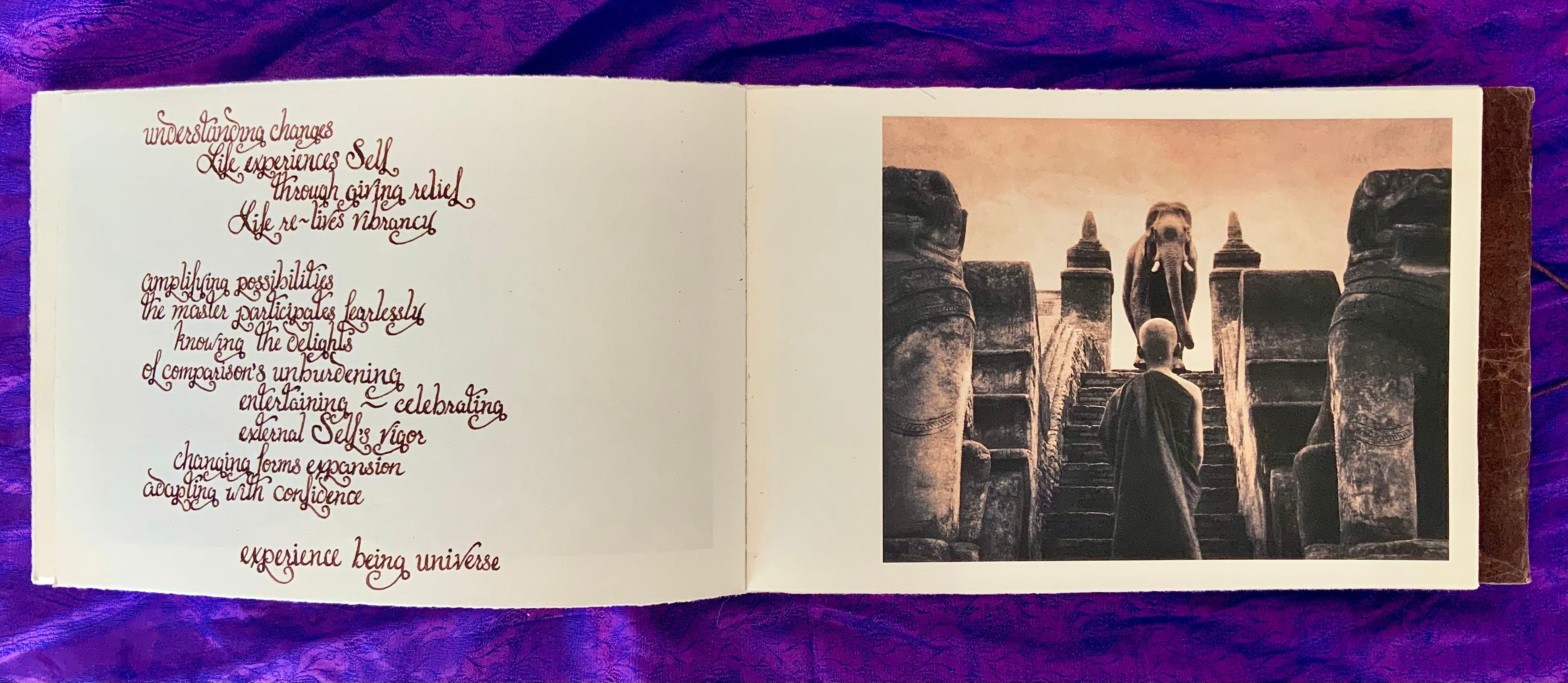
light dances and reflects back
completely full and empty of itself
- Journal Entry
Allow
Once enough encouragement is imparted and a student feels ready to begin, the next stage for a true teacher is to step back and allow. When you simply step back and give a student room to learn, the process becomes magical. In this stage, there is no active feedback, there is no constant assisting—it is just a deliberate giving of space.
Let’s assume the student returns to the pier with their own easel, canvas, paints, and brushes, setting up right next to their mentor. The student will have their own chaotic developmental process; they will try mixing their own colors and painting their own style of trees. The teacher can watch, but it is often better to simply return to one’s own canvas, allowing the student to observe if they desire, or to independently grow their own forms of expression.
Allow this space to be sacred. The only time a mentor should re-engage at this point is if the student directly requests help. You have to trust your student to navigate their own growth patterns, struggle through their own problems, and build self-reliance. Courage comes first; then, in time, it transmutes into confidence. By simply allowing, and choosing not to interfere, you provide the fertile ground that confidence requires to grow.
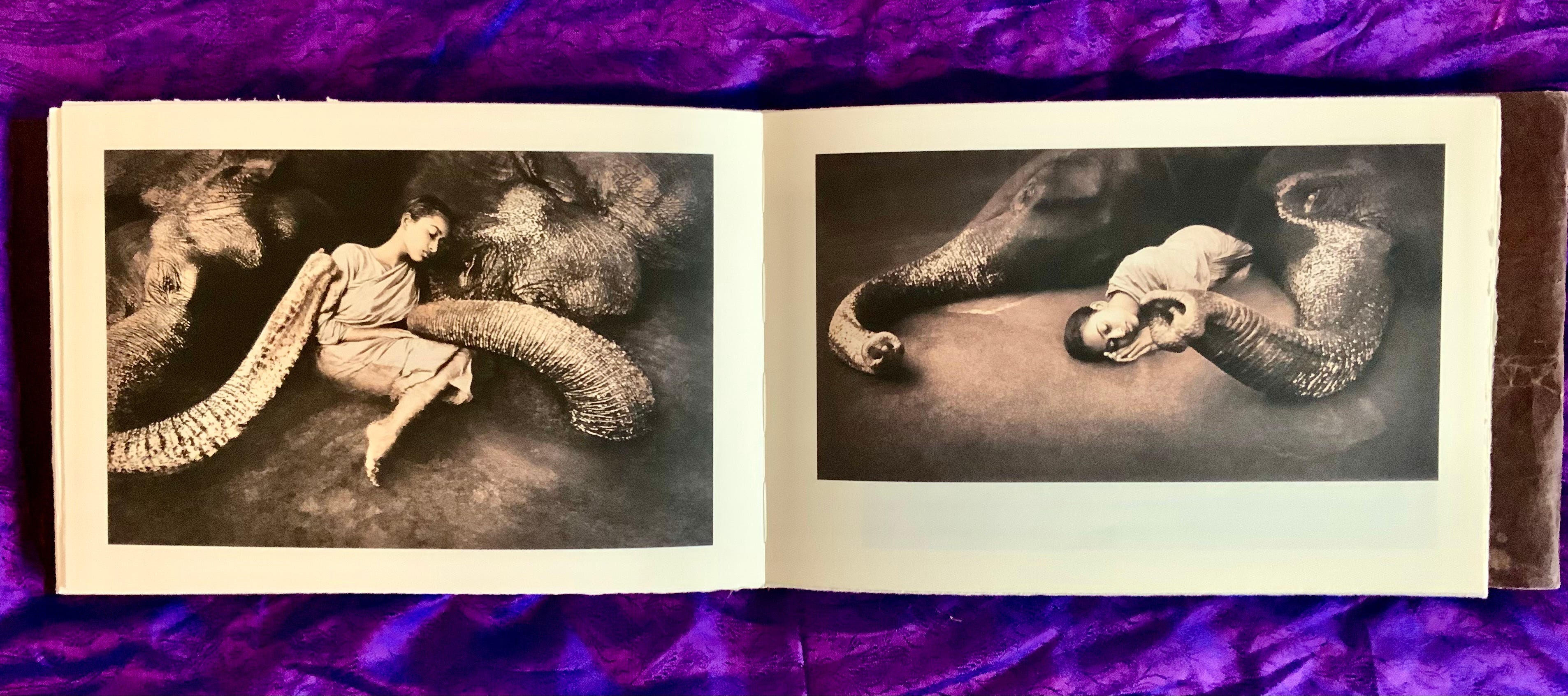
What a privalage it is to grow into someone who I used to need.
- Journal entry
Realize
Finally, the last stage arrives, which may or may not happen organically: realization. The student has now developed an understanding, completed a piece of art, or mastered a certain skill. When they are finished, there may be a sudden moment of offered connection. The student may turn and ask to show their work to the teacher. I consider this a great honor, and I always treat it as such.
At this stage, the teacher is simply an attentive observer who has the opportunity to truly see and realize the work of the student. A confident student is not asking for advice or technical feedback here; they are simply sharing. Take that moment to fully appreciate and perceive what has been created. Understand that it is an intimate expression of your student, and it does not need to conform to your own personal standards.
Ask interested questions, find points of beauty, and be entirely attentive. It is highly possible that nothing further is wanted except for pure non-transactional connection. Connect. Be joyous. If, down the line, they explicitly ask for deeper feedback to further their development, you can gently return to the encouragement stage, and then allow once more. But in this moment, simply witness them.

The Eternal Fragrance
Blossom, expand fully open, petals have come to a completion.
You may not be able to experience your own aroma- however you can see how others react to you to understand that aroma.
Go with the flow- your aroma will open the hearts of others near you
You are always where you need to be.
Now watch,
the first flower of spring announces to the world that it is time to bloom.
That is you.
- Journal entry
Summary
A true teacher simply wants others to live their lives to the fullest, arriving at the most authentic expression of who they are. They want others to experience freedom and to create beauty for themselves to enjoy in this lifetime.
In your own life, you are probably inspiring many people entirely unbeknownst to you. Continue to live your most beautiful life. If someone should ever approach you for advice, do your best to instill courage into them so they can follow their own authentic path. Allow others to grow and develop on their own terms without interference. And if the opportunity ever arises to realize someone’s work, treat that moment with deep respect and honor.
In this way, you too are a true teacher.
Thank you for reading,
I hope you enjoyed!
With love,
Awe World Experiencer
Find my other books on Amazon!
To Donate:
Venmo: AweWorldExperiencer
BuyMeACoffee: buymeacoffee.com/aweworldexperiencer
Social Media:
IG: AweWorldExperiencer
TikTok: AweWorldExperiencer